

Manu National Park, a UNESCO World Heritage site and a jewel of Amazonian biodiversity, is home to an astonishing array of wildlife. While every creature within its pristine boundaries contributes to its vibrant tapestry of life, certain species stand out as iconic symbols of its untamed beauty and ecological richness. We present Manu's "Big Five" – a collection of formidable, fascinating, and crucial animals whose presence defines the very spirit of this unparalleled wilderness. Encountering any of these magnificent creatures is a privilege, offering a profound connection to the heart of the Amazon.
Jaguar
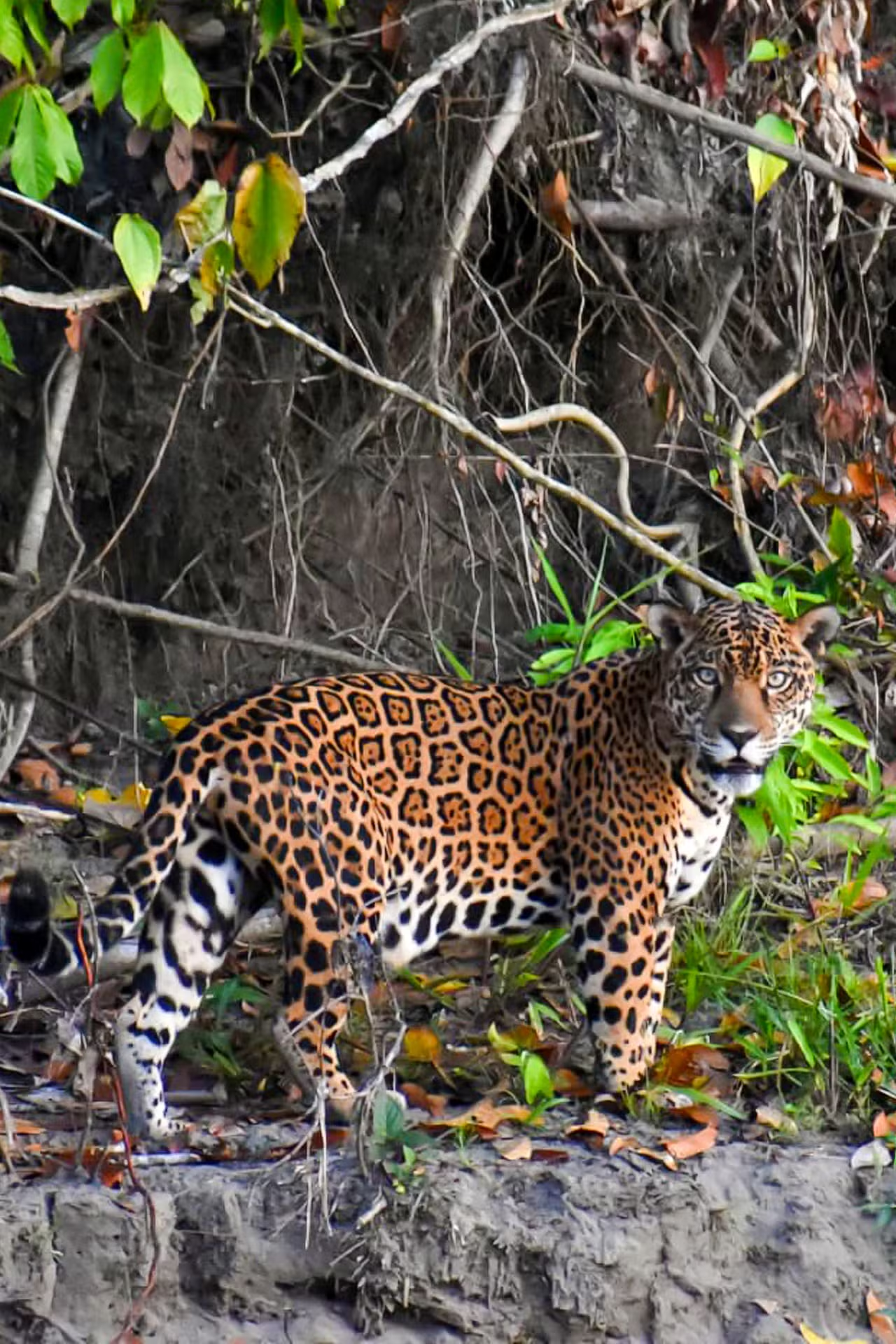
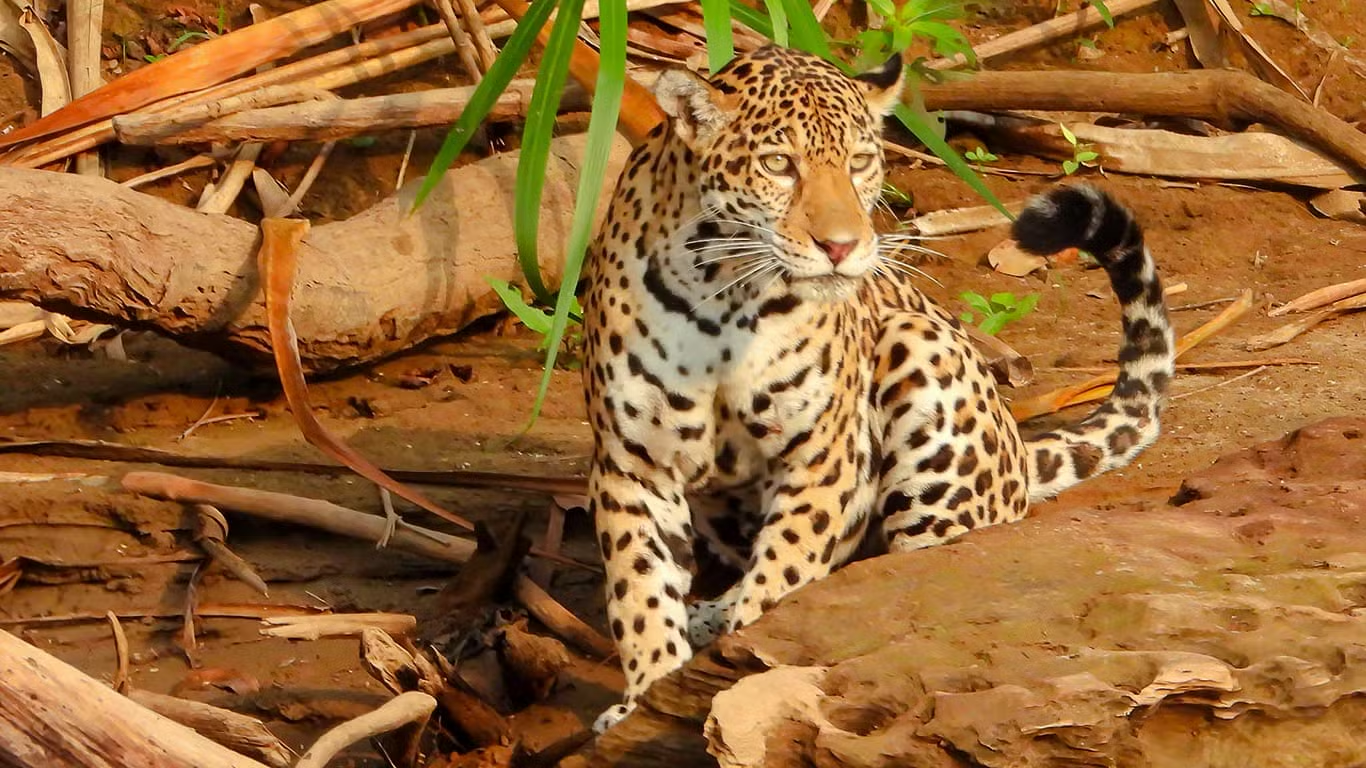
The undisputed apex predator of Manu, the jaguar (Panthera onca) is a symbol of raw power and elusive grace. Its magnificent rosette-spotted coat provides perfect camouflage in the dappled light of the rainforest, allowing it to move like a ghost through the undergrowth. These powerful felines are adept swimmers and climbers, preying on a wide range of animals from peccaries and capybaras to caiman, asserting their dominance across their vast territories. Encounters with a jaguar in Manu are rare and unforgettable, offering a thrilling glimpse into the untamed heart of the Amazon and representing the pinnacle of its food web.
Harpy Eagle
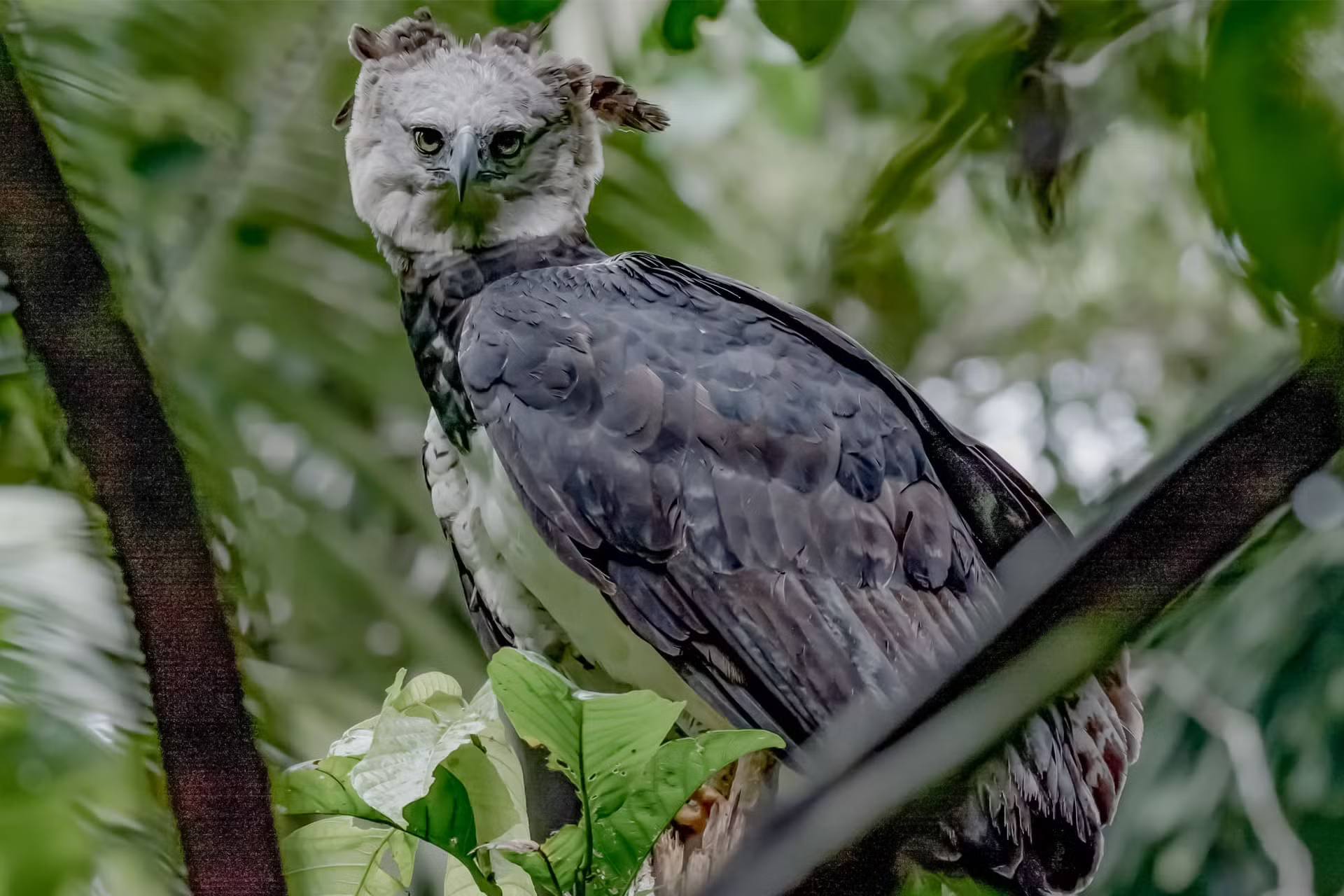
Soaring silently above the forest canopy, the Harpy Eagle (Harpia harpyja) is one of the largest and most powerful raptors in the world. Its piercing gaze and formidable talons, which can be larger than a bear's claws, make it a supreme aerial predator, capable of snatching monkeys and sloths directly from the highest branches. With a wingspan that can reach over seven feet and distinctive crest feathers that frame its intense facial disc, the Harpy Eagle is a truly majestic sight. Its presence is a vital indicator of a healthy, old-growth forest ecosystem, highlighting Manu's undisturbed nature.
Giant Otters
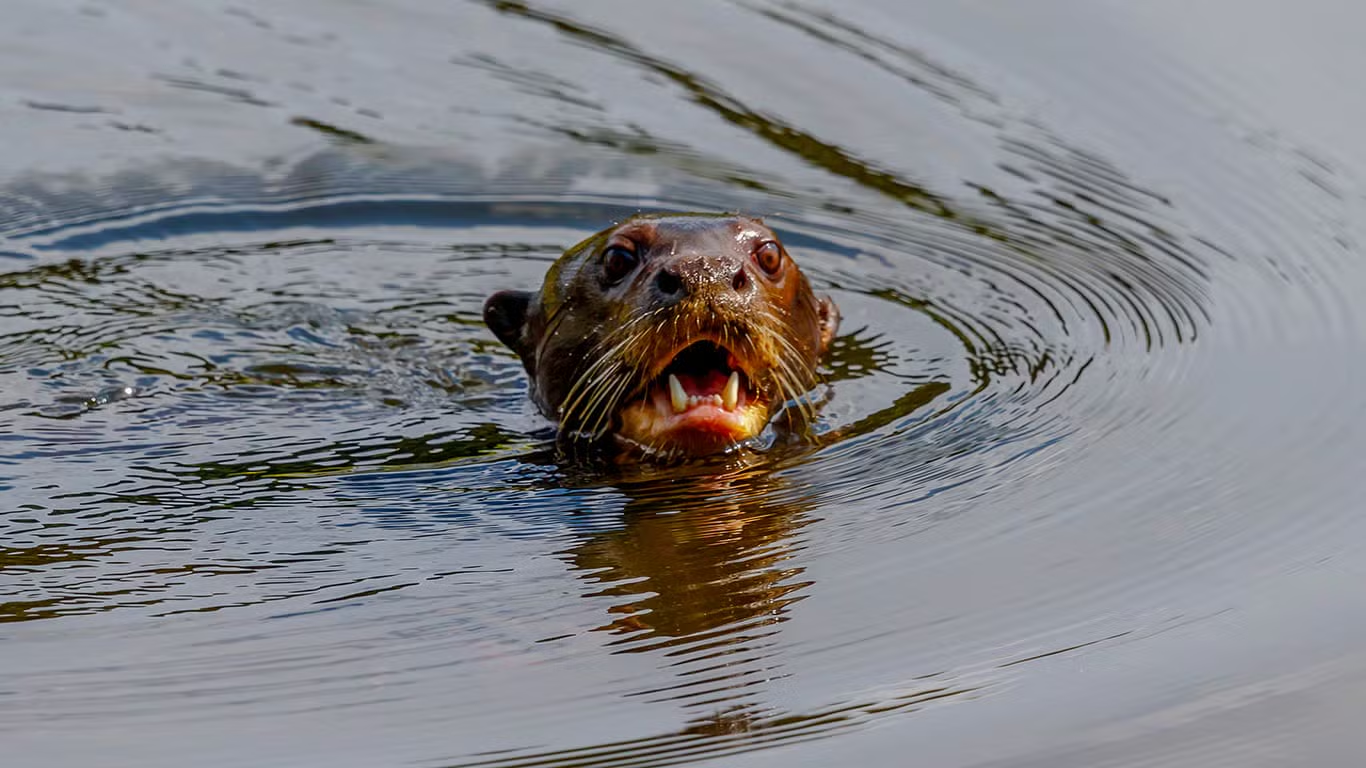
Along the tranquil oxbow lakes and slow-moving rivers of Manu, the playful and social Giant Otter (Pteronura brasiliensis) reigns supreme. These charismatic carnivores, reaching up to six feet in length, are easily identified by their rich chocolate-brown fur and distinctive, highly variable cream-colored throat patches, unique to each individual. Living in highly cohesive family groups of up to ten individuals, they are exceptionally vocal, communicating with an array of barks, squeaks, and growls that echo across the water. Their agile and often cooperative hunting skills allow them to efficiently catch fish, piranhas, and even small caiman, providing endless entertainment and a glimpse into a complex social structure for lucky observers.
Black Caiman
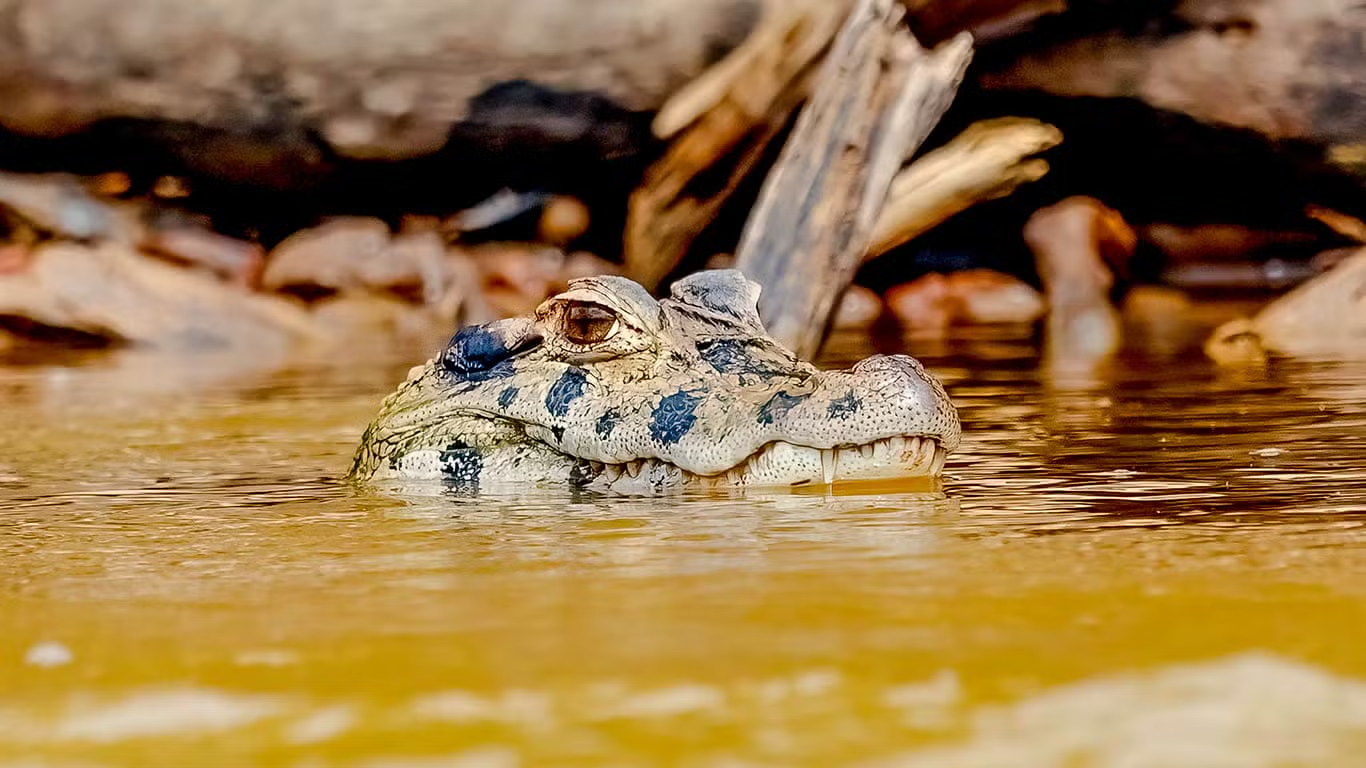
A living fossil that commands respect, the Black Caiman (Melanosuchus niger) is the largest predator in the Amazonian waterways, capable of growing over 16 feet long. Its dark, heavily armored skin and incredibly powerful jaws make it a formidable force in the rivers and cochas (oxbow lakes) of Manu. These ancient reptiles are opportunistic predators, patiently ambushing a wide array of prey from fish and capybaras to peccaries and even other caiman that venture too close. Spotting the glowing red eyes of a Black Caiman reflecting a flashlight beam at night is a thrilling and humbling experience, revealing the ancient and untamed nature of Manu's aquatic realm.
Tapir
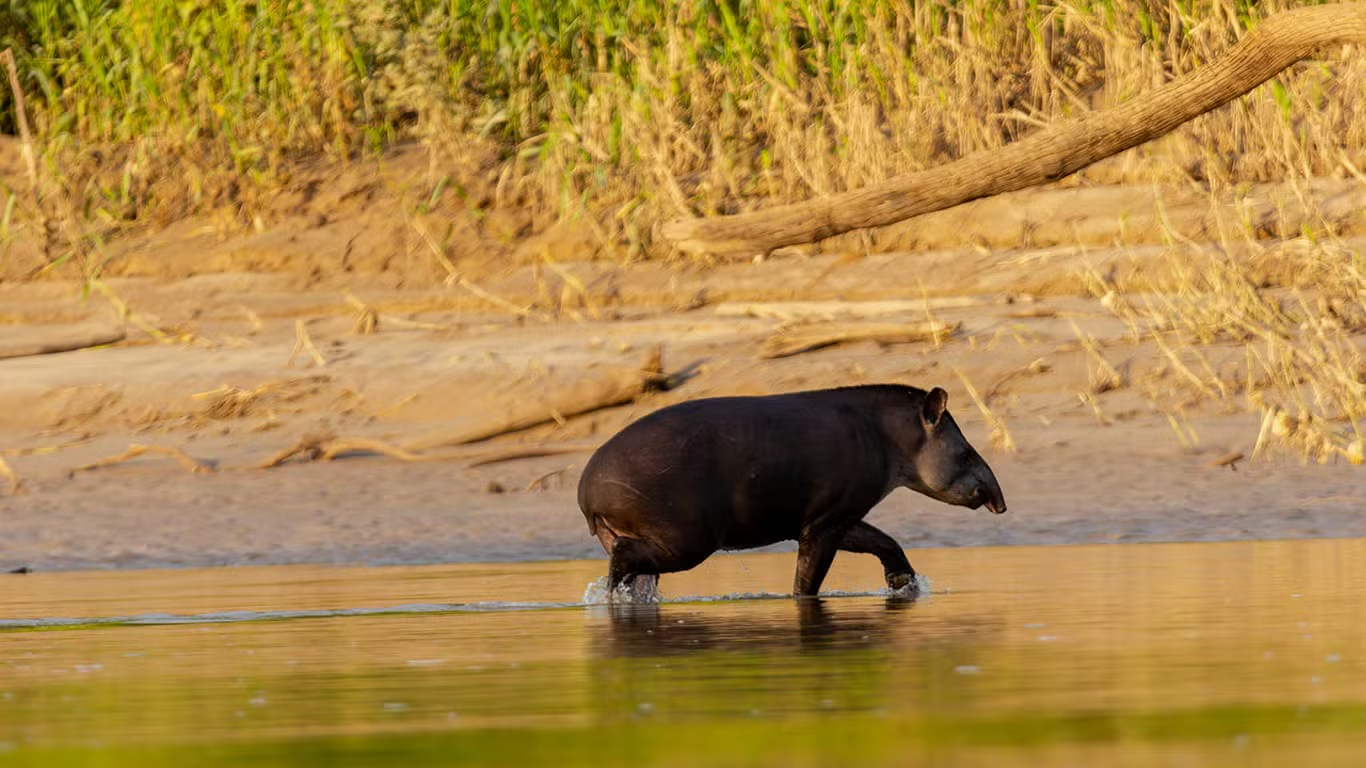
The South American Tapir (Tapirus terrestris) is the largest land mammal in the Amazon, a curious and gentle giant of the forest. With its distinctive short, prehensile snout, which it uses with remarkable dexterity to browse on leaves, shoots, fruits, and aquatic vegetation, the tapir is a vital seed disperser, playing a crucial role in maintaining the forest's biodiversity and regeneration. Though often shy and largely solitary, these fascinating creatures can sometimes be spotted along riverbanks or forest trails, especially at dawn or dusk, embodying the quiet, enduring presence and ecological importance of Manu's rich and complex ecosystem.